Introduction
In biotechnology, understanding biological systems at the molecular and cellular level is essential. High-precision instruments such as microscopes and spectrometers provide scientists with the ability to observe, measure, and analyze biological phenomena that were once invisible. These tools are critical for research in molecular biology, pharmacology, diagnostics, and bioengineering. Fluorescence microscopy, for example, enables selective visualization of subcellular components through fluorophore labeling, while spectroscopy techniques quantify biomolecular properties with high accuracy, supporting reproducible experimental outcomes in complex biological matrices.
The Role of Microscopy in Biotech Research
Microscopes allow researchers to visualize structures and processes within cells and tissues. Their applications include:
- Observing cellular morphology and division
- Studying dynamic processes like intracellular transport
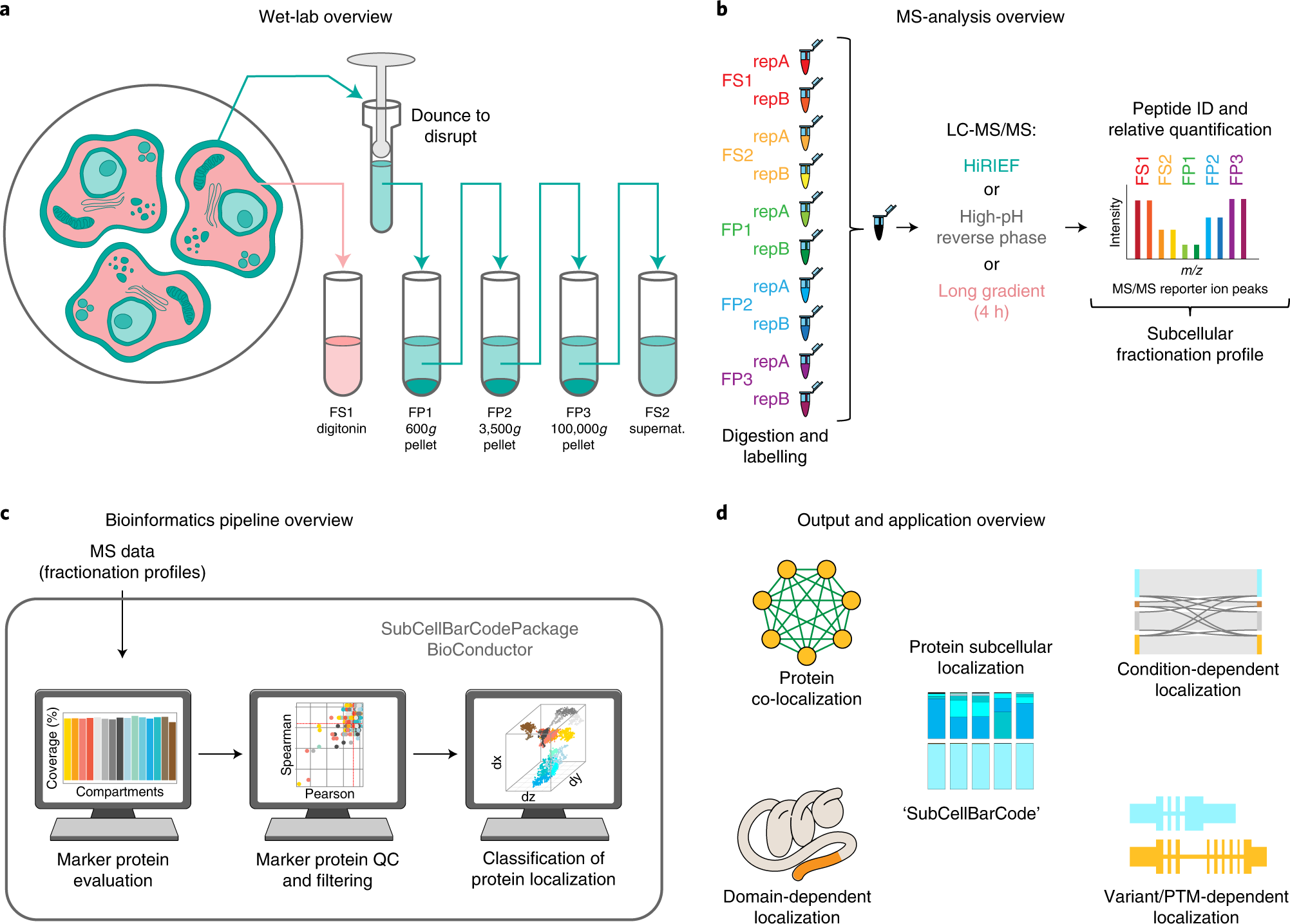
- Detecting protein localization using fluorescence labeling
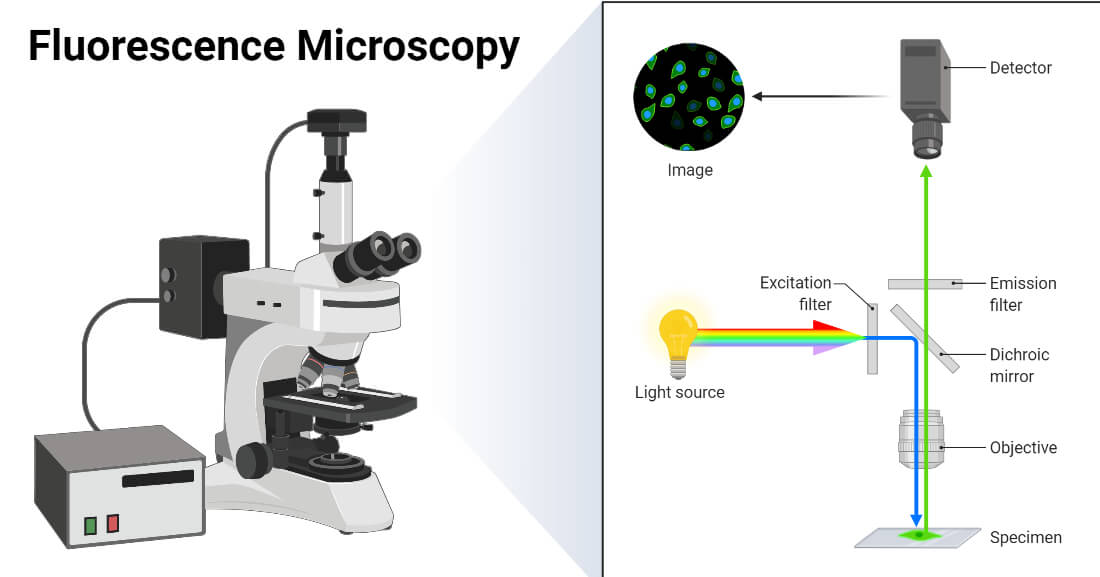
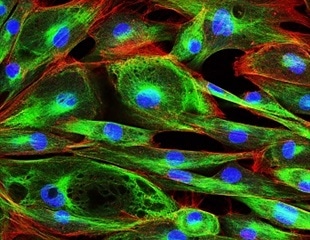
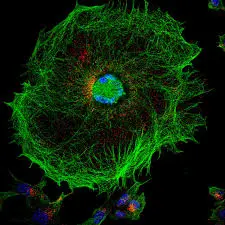
Fluorescence microscopy has revolutionized cell biology by providing high-contrast, specific imaging of labeled structures in live and fixed samples.
Types of Microscopes
- Optical Microscopes: Ideal for general imaging of cells and tissues.
- Fluorescence Microscopes: Use fluorophores to label specific cellular components for high-contrast imaging.
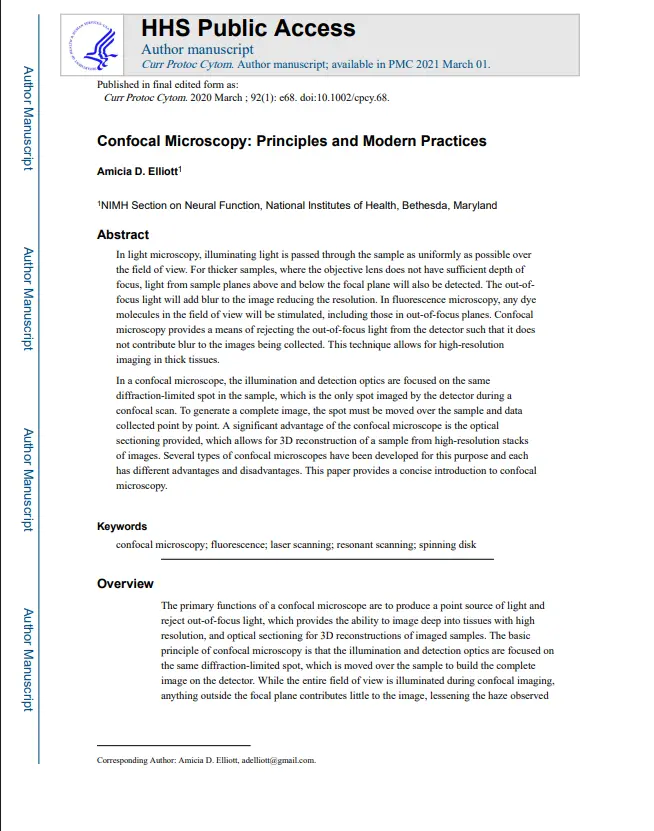
- Confocal Microscopes: Provide 3D imaging and reduce background noise for detailed structural analysis.
- Digital Microscopes: Integrate imaging software for analysis, measurements, and documentation.
Confocal microscopy excels in generating optical sections from thick specimens, enabling three-dimensional reconstructions critical for studying tissue architecture and protein distributions.
Spectrometry in Biotechnology
- Spectrometers provide quantitative information about molecular composition, interactions, and dynamics. They are widely used for:
- Protein and nucleic acid characterization
- Metabolic pathway studies
- Quality control in pharmaceutical research
- Chemical analysis of biomolecules
UV-Vis spectroscopy, based on the Beer-Lambert law, enables precise concentration measurements of chromophoric biomolecules, essential in nucleic acid quantification and enzyme kinetics.

Types of Spectrometers
- UV-Vis Spectrometers: Measure absorbance of light to determine molecular concentrations.
- Infrared (IR) Spectrometers: Analyze chemical bonds and molecular structures.
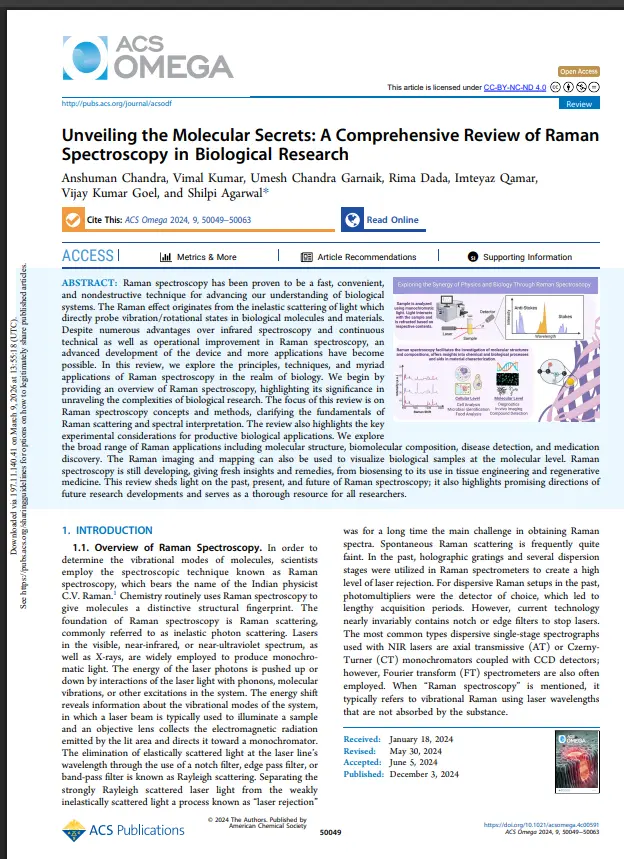
- Raman Spectrometers: Identify molecular fingerprints with vibrational spectroscopy.
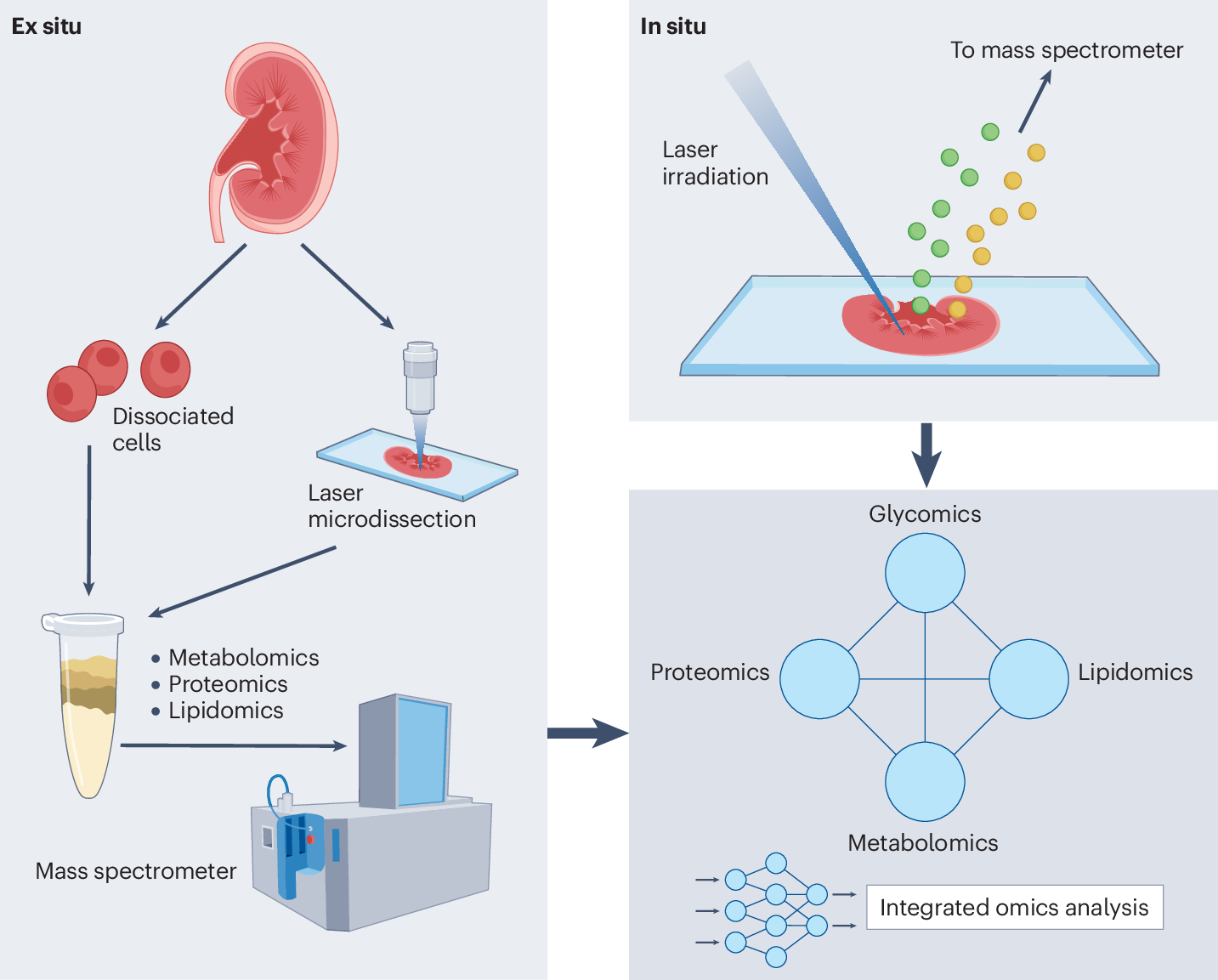
- Mass Spectrometers: Determine molecular mass and composition with high precision.
Raman spectroscopy offers label-free, non-destructive analysis of biomolecular vibrations, providing insights into protein secondary structures and cellular metabolic states.
Integrating Microscopy and Spectrometry
- Combining microscopy and spectrometry provides a holistic approach to biological research:
- Imaging cellular structures while analyzing their molecular composition
- Correlating dynamic processes with biochemical changes
- Supporting reproducible and precise laboratory workflows
This integration accelerates discoveries in cell biology, molecular diagnostics, and drug development, as seen in hyperspectral imaging and microspectroscopy techniques that overlay spatial and chemical data.
Future Perspectives in Lab Instrumentation
- Emerging technologies are enhancing the capabilities of microscopes and spectrometers:
- Automated high-throughput imaging and analysis for large datasets
- AI-powered image processing for pattern recognition in cell biology
- Miniaturized spectrometers for portable and field-based experiments
- Multiplexed fluorescence techniques for simultaneous visualization of multiple cellular targets
These advancements are enabling researchers to study biological systems with unprecedented precision, incorporating machine learning for data interpretation and real-time analysis.
Conclusion
Precision instruments like microscopes and spectrometers are at the heart of modern biotechnology. They empower scientists to uncover molecular mechanisms, visualize cellular dynamics, and develop new therapeutic solutions. LabSpectrix is committed to supporting researchers with high-quality, reliable instruments that advance scientific discovery.