Confocal Microscopy
High-Resolution Optical Imaging for Advanced Biological Research
Introduction
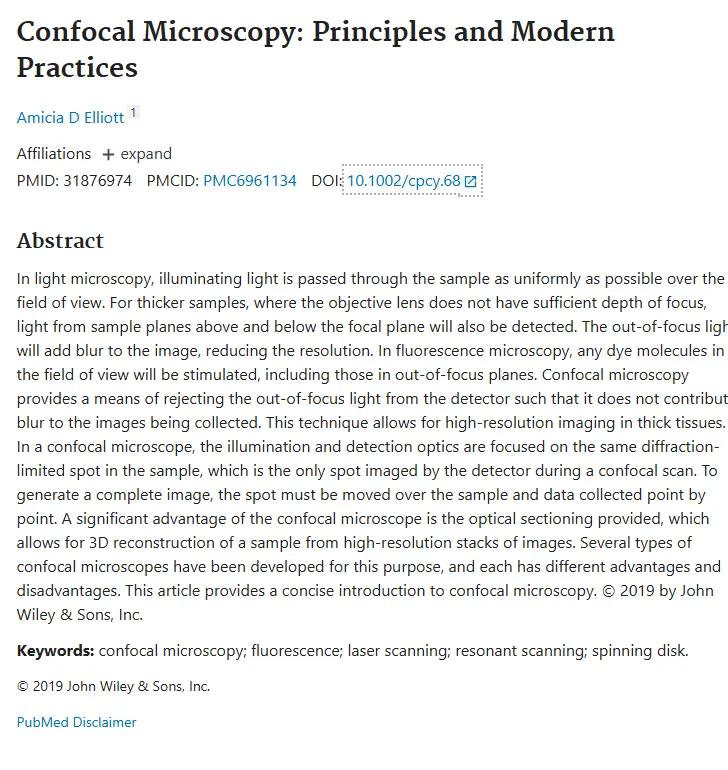
Confocal microscopy is an advanced optical imaging technique that enhances resolution and contrast by using spatial filtering and focused laser illumination. Unlike conventional widefield microscopy, it enables precise visualization of structures within thick biological samples by eliminating out-of-focus light. This technology has become essential in cell biology, molecular research, biomedical sciences, and material analysis
Key Components of a Confocal System
- Laser Light Source: Provides intense, monochromatic illumination for precise excitation of fluorescent markers.
- Scanning System: Directs the laser beam across the sample in a raster pattern to build the image point by point.
- Pinhole Aperture: Filters out-of-focus light, ensuring optical sectioning and sharper images.
- Detectors: Capture emitted fluorescence or reflected signals and convert them into digital images.
- Image Processing Software: Reconstructs scanned data into high-resolution 2D and 3D visualizations.
Types of Confocal Microscopy
01

Laser Scanning Confocal Microscopy (LSCM): The most common method, using point-by-point laser scanning for detailed imaging.
03
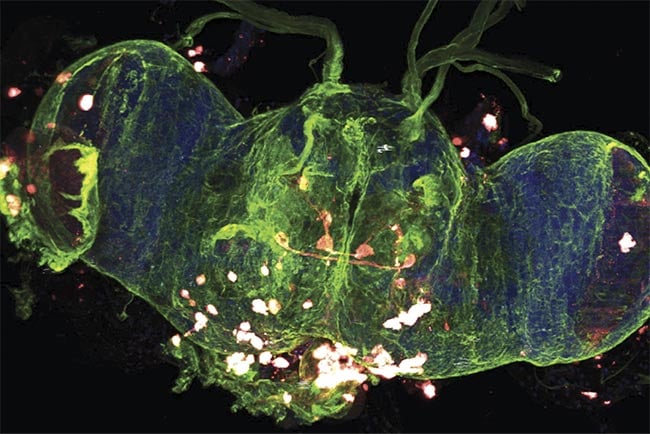
- Multiphoton Confocal Microscopy: Employs long-wavelength excitation for deeper tissue penetration and reduced photodamage.
02
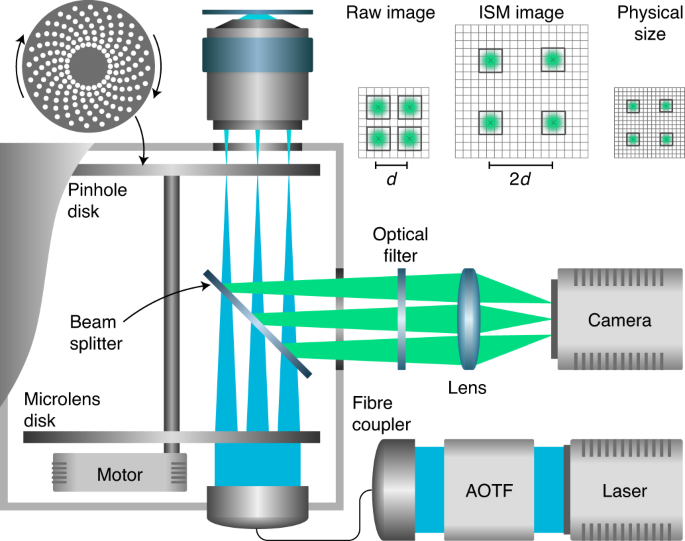
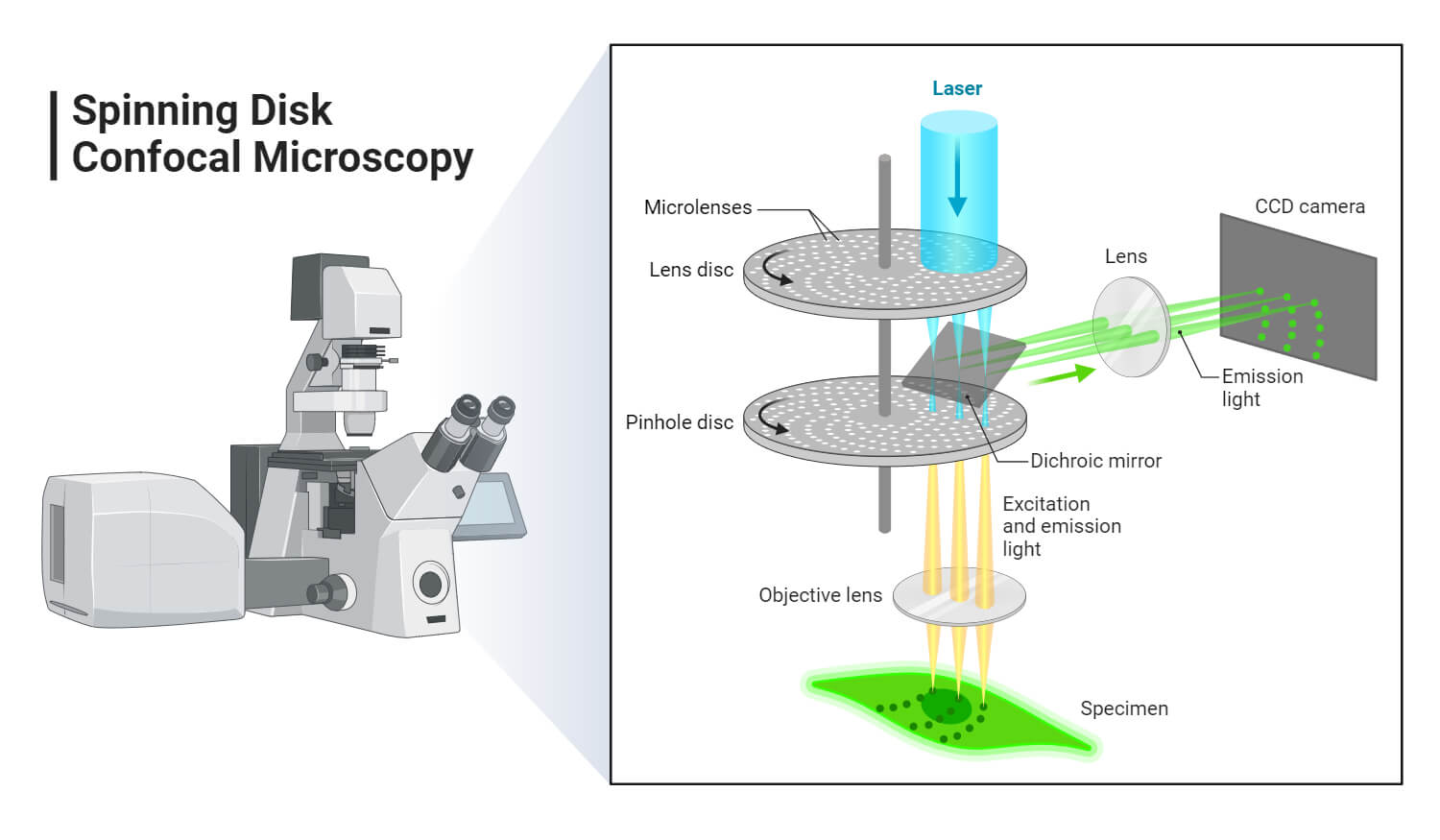
Spinning Disk Confocal Microscopy: Uses multiple pinholes on a rotating disk for faster imaging and reduced phototoxicity, ideal for live-cell studies.
Applications in Scientific Research
Confocal microscopy is widely used in:
01
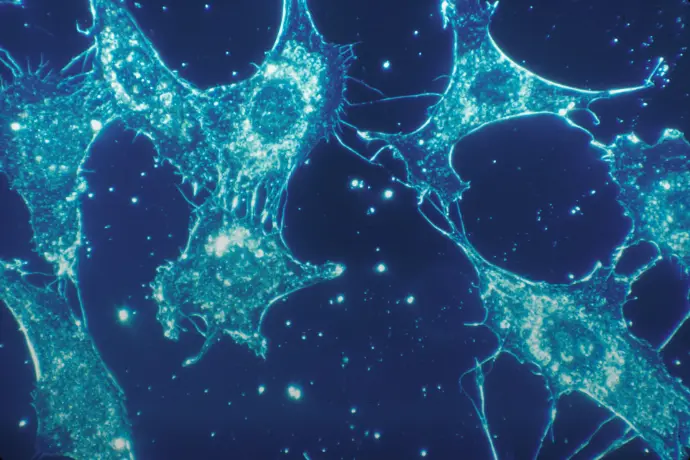
Cell Biology : visualization of organelles and intracellular dynamics
02
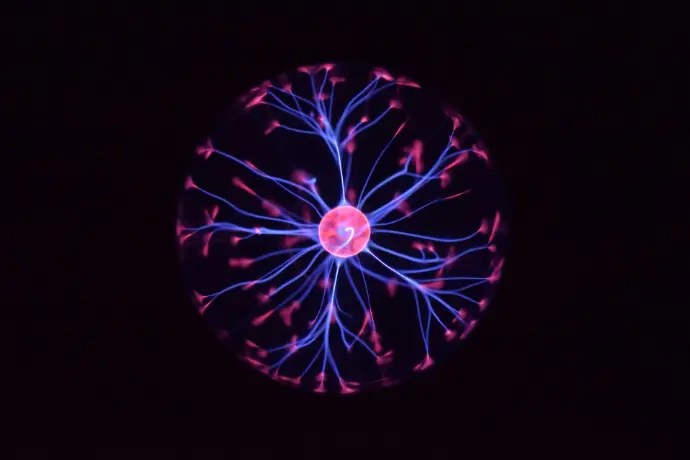
Neuroscience : mapping neural networks and synaptic structures
03
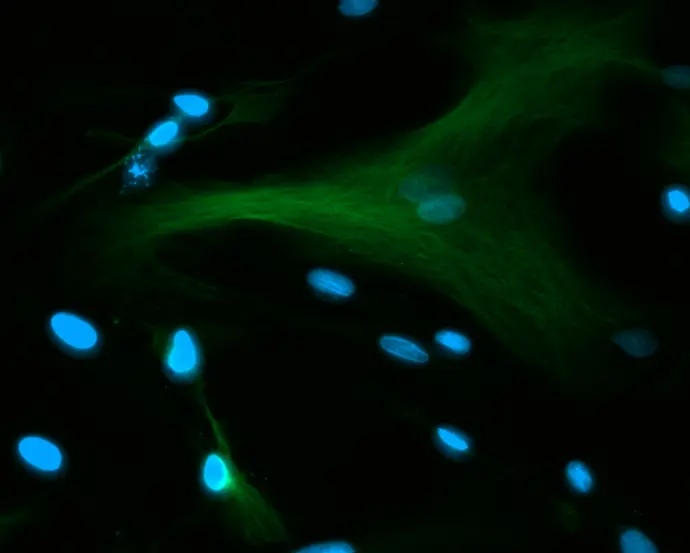
Molecular Biology : protein localization and gene expression studies
04
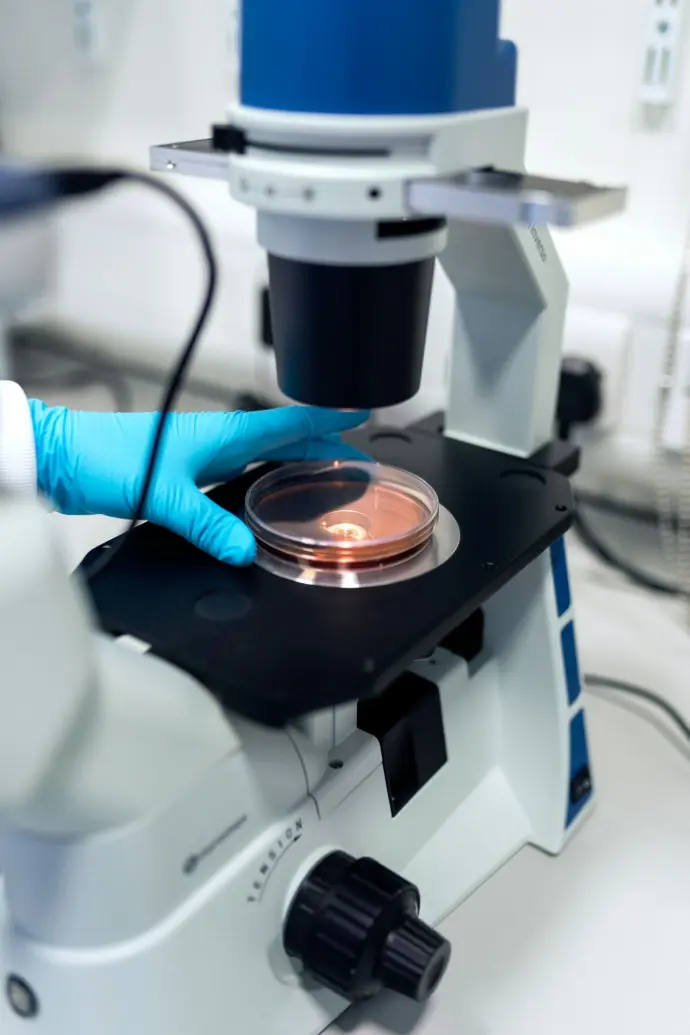
Biomedical Research : disease modeling and tissue analysis
Advantages of Confocal Microscopy
- Optical sectioning of thick specimens
- Enhanced image clarity and contrast
- Three-dimensional reconstruction
- Precise fluorescence imaging
- Reduced background interference
Limitations and Considerations
- Higher system complexity compared to conventional microscopes
- Potential photobleaching of fluorescent samples
- Slower image acquisition in high-resolution modes
- Requires specialized training and calibration
Sample Preparation for Confocal Microscopy
Proper sample preparation is essential for achieving accurate, high-resolution confocal microscopy images. Because this imaging technique relies on fluorescence detection and precise optical sectioning, preparation protocols must preserve cellular structure while maximizing signal quality and imaging consistency.
Effective preparation improves image clarity, reduces background noise, and ensures reproducible experimental results.
Key Preparation Steps
Fluorescent Labeling :Fluorophore-conjugated antibodies, proteins, or dyes are used to selectively label cellular structures and biomolecules, enabling high-contrast fluorescence imaging.
Fixation Methods : Chemical fixation preserves cellular morphology for structural analysis, while live-cell preparation enables real-time imaging of dynamic biological processes.
Mounting Media : Refractive index–matched mounting solutions maintain optical clarity and reduce light distortion during imaging.
Coverslip Thickness : Standardized coverslip dimensions ensure focal precision, imaging stability, and consistent optical performance.
Optimized preparation protocols help minimize photobleaching, enhance signal-to-noise ratio, and improve overall confocal imaging performance.